This Shanghai visit combined a health check-up at Shanghai Renai Hospital with MRI of the lumbar spine and both knees. The visitor needed English communication at the hospital, a clear examination plan and reports they could read afterwards. The case shows why coordination continues beyond securing an appointment: the requested examinations still need to be understood correctly on arrival.

Before the visit: turn the request into an examination plan
The plan separated the health check-up, lumbar-spine MRI and MRI of both knees. Before the visit, the hospital explained the identity documents required, preparation instructions and arrival window. The visitor therefore had the details needed to prepare and register for the appointment.
The preparation instructions belonged to that particular booking. For a new appointment, the chosen provider should confirm what to bring and how to prepare for the actual examinations ordered. A coordinator can help communicate those instructions and clarify unresolved questions before travel.
At the hospital: clarify the MRI body region
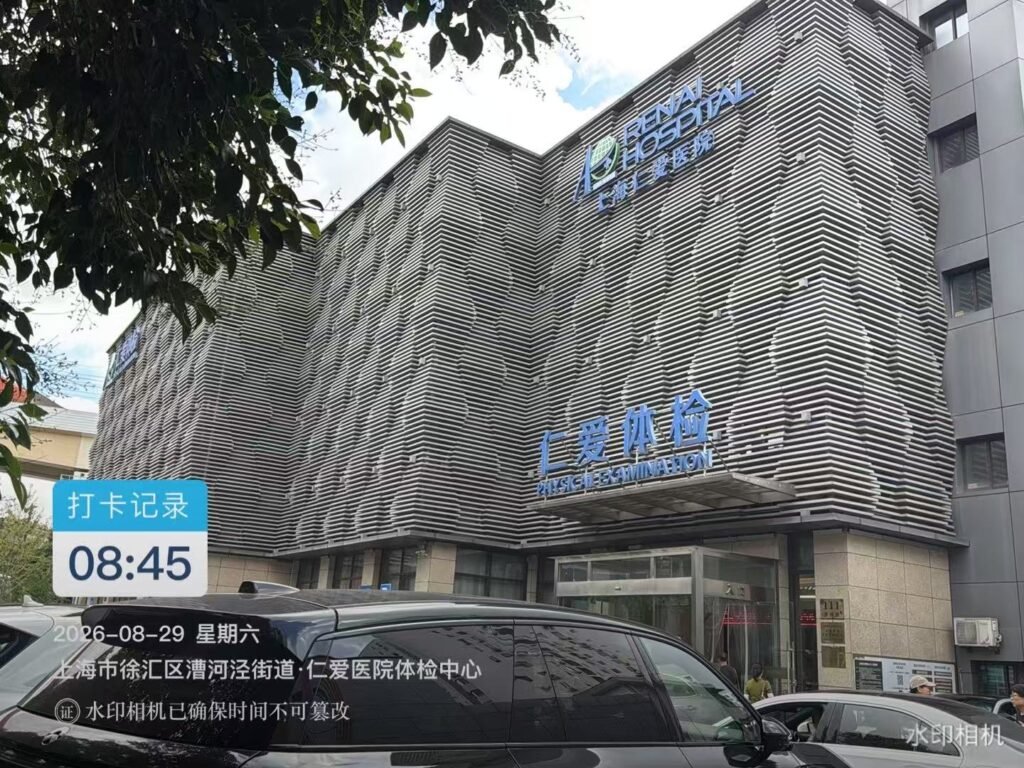
At the hospital, the intended scan region needed clarification. The visitor later described an initial misunderstanding in which the spine examination had been understood as a head examination. The on-site companion clarified the request: lumbar-spine MRI and MRI of both knees.
The account describes a misunderstanding being clarified; it does not indicate that a wrong scan was performed. For anyone arranging MRI, the useful question is: does the final hospital confirmation match the body region, side and examination requested? Check those details as well as the appointment time.
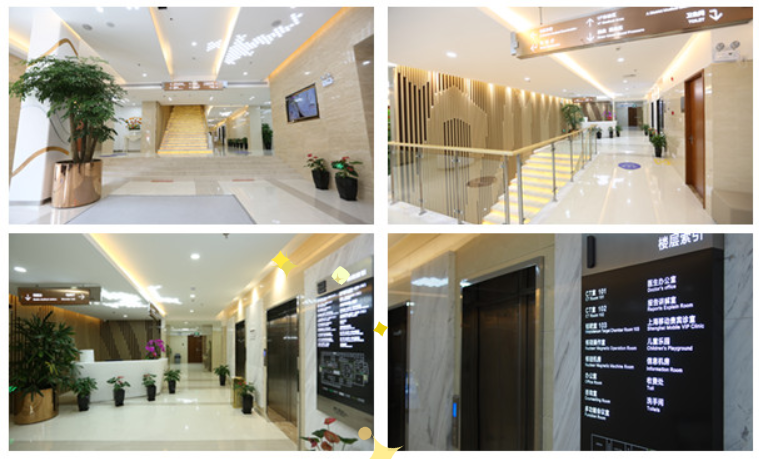
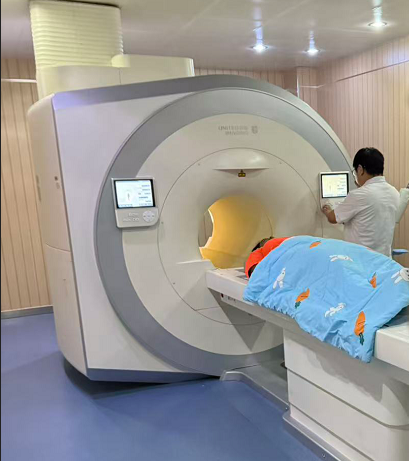
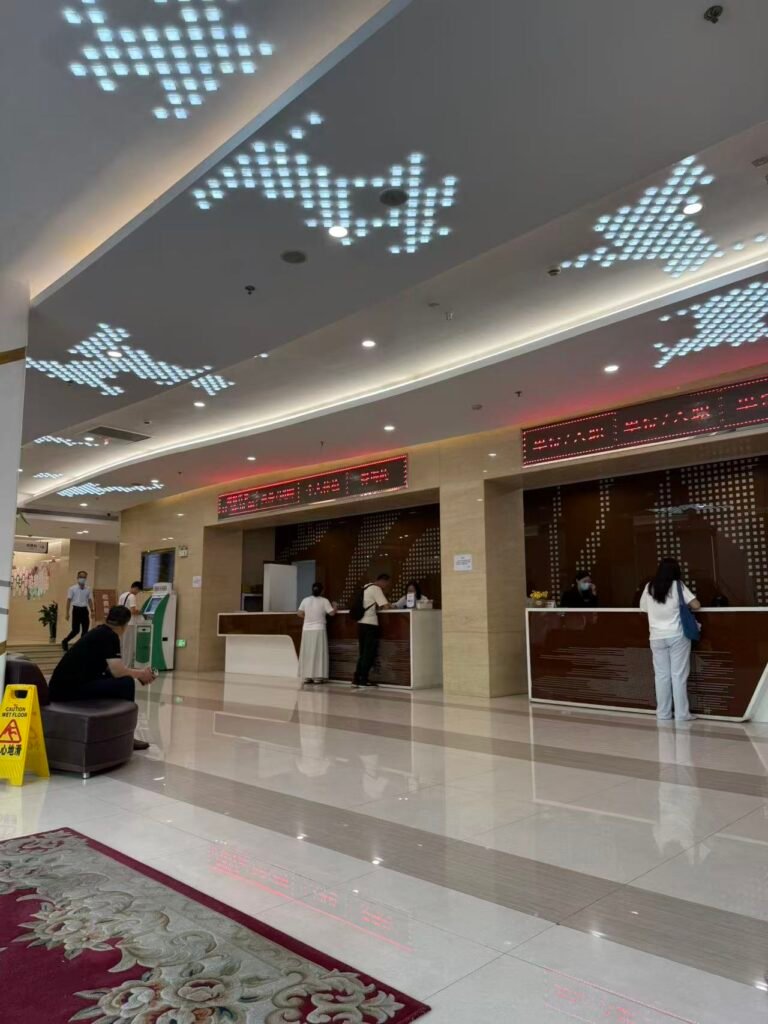
The photographs below show the hospital reception, directions and MRI setting.
After the examinations: reports and image access
The handover included the Chinese hospital report and an English version, together with a private route for accessing the examination images. The access notice gave a three-month window for this booking. The visitor’s medical findings, original records and access details remain private.
Receiving a written report, saving the image files and discussing the findings with a clinician are separate steps. This visit included an image-access route; download of the files was not confirmed. Before leaving, ask how to open and save the images, when access expires and who can explain the results.
The historical cost breakdown
The team’s summary gives this historical breakdown for the arrangement:
| Recorded item | Historical amount |
|---|---|
| Medical services: check-up and requested MRI examinations | US$750 |
| English accompaniment | US$150 |
| Total recorded arrangement | US$900 |
The US$900 is the historical amount recorded for the arrangement; payment of that total has not been verified. The summary does not itemise a separate coordination fee.
For bookings now: AccessChinaMed services include complimentary English appointment accompaniment through 31 December 2026. The historical US$150 charge above does not apply as the current accompaniment offer. This visit’s multi-region MRI request also differs from the current diagnostic package, so ask for a written quotation covering your exact examinations.
Use this journey to prepare your own questions
- Which examinations and body regions appear in the confirmed plan?
- Which campus and department should I attend, and what documents are required?
- Who will help clarify the plan in English when I arrive?
- How will I receive the report, access any images and arrange clinical follow-up?
Read the Shanghai MRI planning guide, review diagnostic coordination and current inclusions, or plan report delivery and follow-up.
Apply the practical lessons with the MRI booking guide and DICOM handover checklist.
Source: anonymised booking correspondence, report materials, visit photographs and the coordination team’s historical cost summary. Edited: 24 September 2026. Editorial policy.